

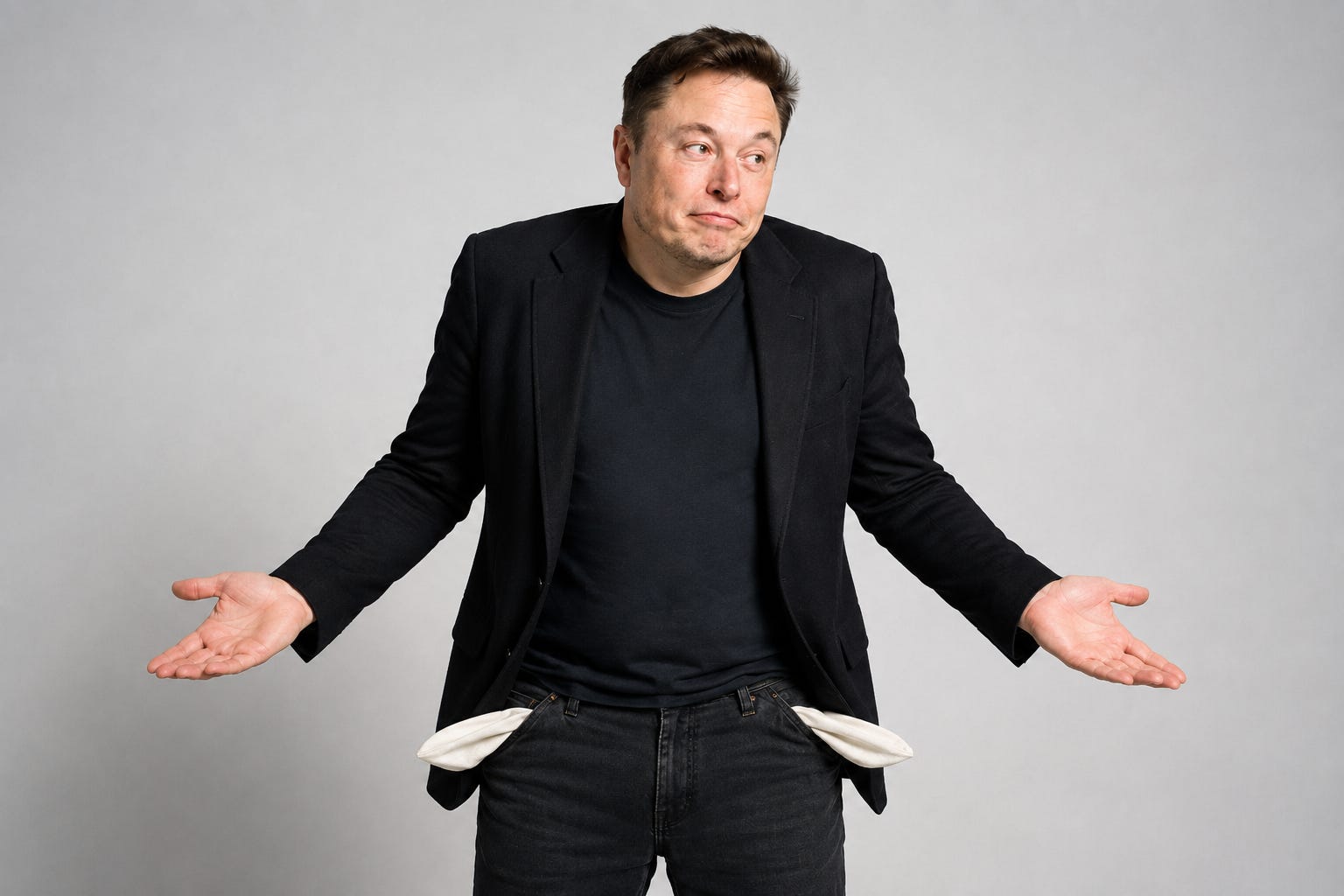
Elon Musk is likely to be the world’s first trillionaire — probably later this year. And so many people are thinking, “Oh, the things I would do with a trillion dollars,” and it’s quite obvious those people aren’t rich, because it’s absurd to think that being a trillionaire means you have a trillion dollars.
What has done the most damage to people’s understanding of capitalism? Is the work of Marx? The lectures of Thomas Piketty? Bernie Sanders rallies?
No, I’d say the greatest damage was done by the cartoon DuckTales. It gave us the idea that when someone is very wealthy, he puts all his money in a giant money bin and swims in it.
Of course, any actual capitalist would be appalled at the idea of that much money just sitting in a building doing nothing. The whole point of capitalism is that money is never supposed to just sit there. If you’re not actively spending money on a ham sandwich or something, in the least it should be in a bank account where the bank can give it to other people to invest while you’re not using it. Even better, it can be invested in new businesses through stocks. Or — and this is the way many become billionaires — your wealth is in your own brilliant innovative business that is continuing to grow.
And this, of course, is how Elon Musk is a billionaire: He’s created multiple businesses — Tesla, SpaceX — that he owns. When SpaceX goes public, he’s expected to pass the mark of one trillion in wealth. And people hear this and think, “Here’s all the things he could do with that money.” Except that there isn’t any money.
Let’s understand what Musk’s wealth means: He owns a large part of the companies he made. Those companies then become valued so highly based on stock trading. And what exactly does that mean?
I once heard (maybe it was from Michael Munger on EconTalk) that stocks are like a way for profits to time-travel. Money is being raised for businesses now through the purchase of shares based on what profits they think a company will have in the future. When you hear of Elon Musk’s wealth, this is what he has: shares of his own company being valued based on what people think the profits will be far in the future.
So when people talk about spending that money, that money is not here. It’s far in the future. So when you talk of a wealth tax based on his shares in a company, you’re taxing money that doesn’t even exist yet — it’s money far in the future. The value of his companies is still pure speculation, and you’re making suggestions on spending and taxing speculation.
So even if Elon Musk was valued at a trillionaire, he in no way could ever have an actual trillion dollars to spend. To try and get that, he would have to sell the shares in his own businesses, and if he did that, the value of those shares would immediately plunge! A big reason they are worth so much and people speculate on such high profits for Tesla and SpaceX is that Elon Musk is very invested in the success of those companies. If he started selling his shares and was no longer invested as highly in those companies, they would be worth much much less. He would only end up with a small fraction of that trillion dollars — because again, that money only exists in the hearts and minds of the investors. If it exists at all, it’s profits that will be earned a decade from now.
Which is why it’s so stupid when people are like, “Think of all you could buy with Elon’s wealth,” because it does not actually exist. And that’s also why wealth tax is so stupid and insidious — you’re taxing speculation that changes daily, not anything real.
So that’s why Elon Musk is a billionaire and probably will soon be a trillionaire — because he’s made businesses that people believe will make huge profits in the future. But it’s not because he has money. A bunch of coins sitting in a vault is not real wealth — wealth is the future. And Elon Musk is seen as the wealthiest man in the world because he’s believed to have the best grip on that future.
Ha! You mean with my eleven rusty mason jars buried under the ground, I have more money than Elon has?!
EAT IT SPACE BOY!!
But Ducktales also has a great scene that explains the economic truth about how increasing the supply of money leads to inflation and thus subsidizing demand will always fail.